Combating Toxic Heavy Metal Ions in Water: An Eco-Friendly Approach
7 minutes Read
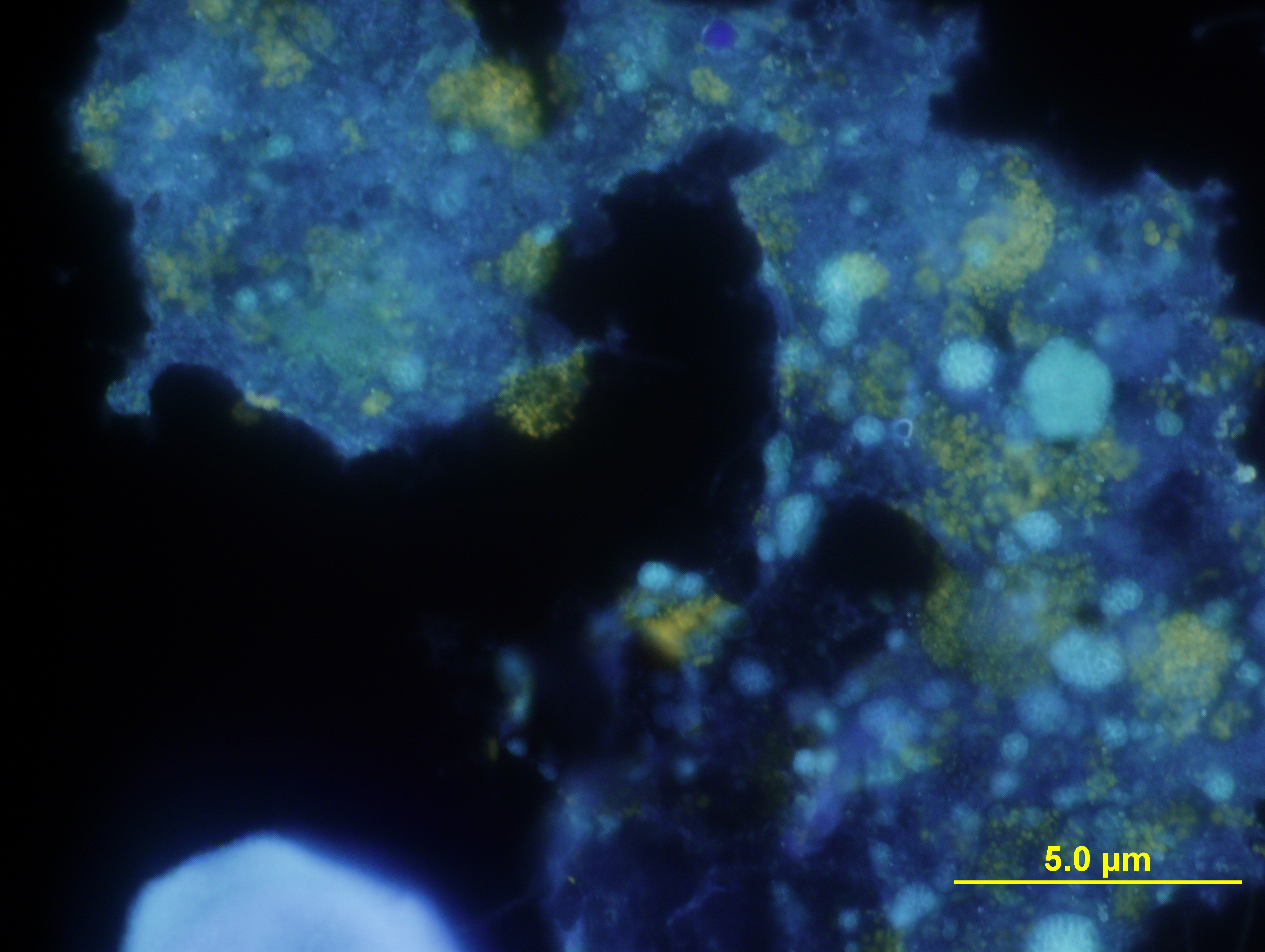
image: BJMWW (CC BY 4.0)
Introduction
Heavy metal ions, originating from various industrial and domestic activities, pose a significant threat to both human and animal health when they contaminate water sources. These toxic elements can lead to severe health complications, including organ damage and even cancer. While conventional methods exist for their removal, they often come with high costs and the generation of secondary pollutants. This review highlights biosorption as a promising, eco-friendly, and cost-effective alternative for tackling heavy metal contamination in water.
Sources of Heavy Metal Contamination
Heavy metals can enter water bodies through a variety of sources. Point sources, which are concentrated and identifiable, include industrial wastewater from sectors such as leather, paper, sugar, textiles, steel, battery, and pharmaceutical industries. Domestic wastewater, stemming from sewage and household waste, also contributes significantly, particularly in areas with inadequate treatment facilities. Non-point or diffused sources are more widespread and harder to pinpoint. Agricultural activities, through the use of fertilizers and pesticides containing metal compounds, are a major contributor. Landfills and the dumping of hazardous waste can also leach heavy metals into surrounding water and soil. Natural factors like volcanic activity and geological weathering can also play a role.
The Promise of Biosorption
Biosorption offers a sustainable solution for removing heavy metal ions from polluted water. This method utilizes biomass, often derived from agricultural waste, plant residues, algae, and microbial matter, to adsorb these toxic metals. The process is metabolically independent, meaning it doesn't require living organisms, making it straightforward and user-friendly. The effectiveness of biosorbents lies in their unique surface characteristics and the presence of functional groups like amino, amide, imidazole, sulfonate, and carboxyl groups, which can bind with heavy metal ions. The rough and porous nature of these biosorbents further enhances their capacity for metal ion removal.
Understanding Biosorption Through Modeling
To better understand and optimize the biosorption process, various mathematical models are employed. Isotherm models, such as the Langmuir, Freundlich, Temkin, and Dubinin-Radushkevich models, describe the equilibrium relationship between the amount of metal adsorbed and the concentration of metal ions remaining in the water. These models help researchers predict the maximum adsorption capacity of a biosorbent.
Thermodynamic studies, using parameters like enthalpy and Gibbs free energy, provide insights into the feasibility and spontaneity of the adsorption process at different temperatures. Kinetic models, including pseudo-first-order and pseudo-second-order kinetics, are crucial for understanding the rate at which heavy metal ions attach to the biosorbent surface. This information is vital for designing efficient wastewater treatment systems.
Significance for Environmental Remediation
The significance of biosorption methods for heavy metal reduction cannot be overstated. By leveraging low-cost, readily available biomaterials, this technique offers an environmentally benign approach to water purification. The high efficiency achieved and the minimal need for chemical resources further underscore its advantages over conventional methods. The insights gained from kinetic and isotherm studies are essential for optimizing biosorption processes, leading to the development of more effective and sustainable wastewater treatment systems.
Conclusion
Heavy metal contamination in water is a critical global issue with severe implications for health and the environment. Biosorption presents a viable and eco-friendly alternative for removing these toxic ions. By utilizing natural biomass and understanding the process through mathematical modeling, we can develop cost-effective and sustainable solutions for wastewater treatment, thereby safeguarding both human and animal well-being and preserving our planet's vital water resources.
Original source: "https://www.nature.com/articles/s41598-024-58061-3"